
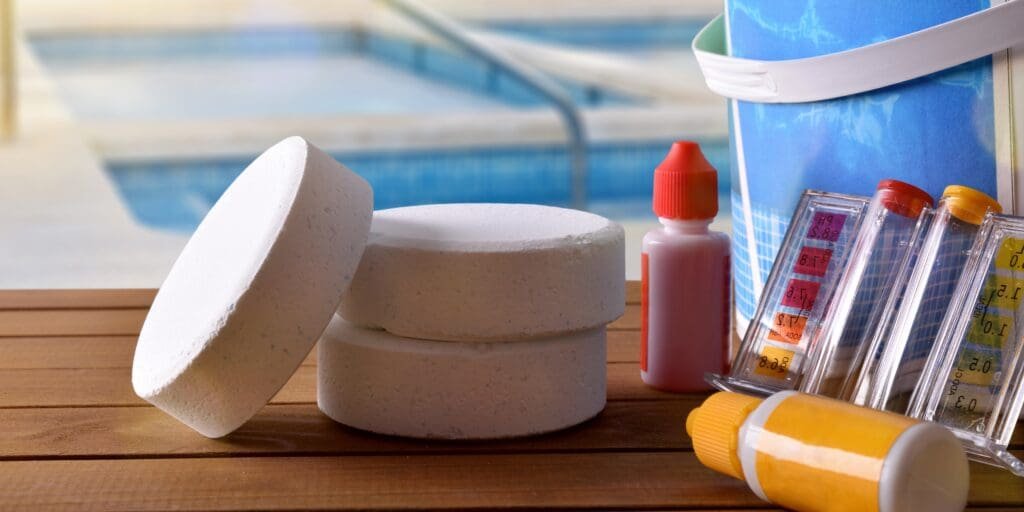
Keeping your swimming pool water clean, clear, and properly balanced is one of the most important parts of pool ownership. Regular pool water maintenance helps protect swimmers, preserve your pool equipment, prevent algae growth, and keep your backyard pool looking its best.
For pool owners in Pasco County, Citrus County, Hudson, and Crystal River, Florida’s heat, humidity, rainfall, and extended swimming season can make pool maintenance especially important.
Whether you have an above-ground pool or another residential pool system, a consistent maintenance routine can make it easier to enjoy your pool throughout the year.
At Mr. Pool of Pasco & Crystal River, we help Florida families find the pools, equipment, supplies, and accessories they need to make pool ownership easier.
What Is Pool Water Maintenance?
Pool water maintenance is the regular process of testing, balancing, cleaning, and treating your pool water. It typically includes:
- Testing pool water chemistry
- Adjusting pH and alkalinity
- Maintaining proper sanitizer levels
- Preventing and treating algae
- Removing debris
- Cleaning the pool
- Maintaining the filter and circulation system
- Monitoring water levels
- Shock treating the pool when necessary
The goal is to maintain clean, balanced, and properly circulating water while protecting your pool surfaces and equipment.
Why Is Pool Water Care Important?
Proper pool water care provides several benefits.
1. Keeps Pool Water Clear
Balanced water chemistry and good circulation help prevent cloudy or discolored water.
2. Helps Prevent Algae
Warm Florida temperatures can create favorable conditions for algae. Maintaining appropriate sanitizer levels and circulation can help reduce algae growth.
3. Protects Pool Equipment
Improperly balanced water can contribute to corrosion, scaling, or damage to pool components and equipment.
4. Makes Swimming More Comfortable
Properly balanced pool water can be more comfortable for swimmers and may help reduce irritation associated with improperly maintained water.
5. Extends the Life of Your Pool
Routine maintenance helps protect pool surfaces, liners, pumps, filters, and other components from unnecessary wear.
How Often Should You Test Pool Water?
For many residential pools, testing the water several times per week is a good starting point, with more frequent testing during periods of heavy use, extreme weather, or chemical fluctuations.
Florida pool owners may need to pay particular attention after:
- Heavy rain
- Tropical storms
- Very hot weather
- Pool parties or heavy swimming
- Adding significant amounts of water
- Treating algae
- Opening or reopening the pool after an extended period
A reliable pool test kit or professional water-testing service can help you determine what your pool needs.
What Pool Chemicals Should You Test?
Several water chemistry measurements are important for maintaining a healthy pool environment.
pH
pH measures how acidic or basic your pool water is. Keeping pH within the recommended range helps your sanitizer work effectively and can help protect pool surfaces and equipment. A commonly recommended swimming-pool pH range is approximately 7.2 – 7.8.
Total Alkalinity
Total alkalinity helps stabilize pH and reduce rapid fluctuations. A commonly recommended range for many pools is approximately 80 – 120 parts per million (ppm), although the appropriate target can vary depending on the pool and treatment system.
Chlorine or Other Sanitizer
Sanitizer helps control bacteria, algae, and other contaminants in pool water. The correct sanitizer level depends on the type of sanitizer, pool system, stabilizer level, and manufacturer recommendations.
Cyanuric Acid
Cyanuric acid, often called pool stabilizer or conditioner, helps protect chlorine from degradation caused by sunlight in outdoor pools. Florida pools receive substantial sunlight, making proper stabilizer management particularly important for many outdoor pool systems.
Calcium Hardness
Calcium hardness measures the concentration of dissolved calcium in the water. Water that is too low or too high in calcium can contribute to problems such as corrosion or scaling. Your ideal level can depend on the type of pool surface and the recommendations of your pool manufacturer or professional.
How to Keep Pool Water Clear
Clear pool water doesn’t happen by accident. It usually requires a combination of balanced chemistry, filtration, circulation, and physical cleaning. Follow these basic steps:
1. Test the Water Regularly
Use a reliable test kit to monitor your pool’s chemistry.
2. Balance Chemicals
Make adjustments based on your test results and the instructions for your specific pool and chemical products.
3. Run the Pool Pump
Adequate circulation helps move water through the filtration system and distributes chemicals throughout the pool.
4. Clean the Filter
A dirty or overloaded filter cannot operate as efficiently. Follow your filter manufacturer’s recommendations for cleaning or replacement.
5. Remove Debris
Leaves, insects, dirt, and other debris can introduce contaminants into your pool. Skim the surface and empty baskets regularly.
6. Brush and Vacuum the Pool
Brushing pool surfaces helps loosen dirt and algae before they become more difficult to remove. Vacuuming removes material that settles on the pool floor.
Florida Pool Maintenance: Why Weather Matters
Pool maintenance in Florida can be different from pool care in other parts of the country. High temperatures and intense sunlight can affect sanitizer demand. Heavy rain can dilute pool chemicals and introduce contaminants, while wind can deposit leaves, dirt, and other debris into the water. For pool owners in Hudson, New Port Richey, Port Richey, Spring Hill, Holiday, Trinity, Crystal River, Inverness, Homosassa, and surrounding communities, maintaining a regular pool-care routine can help keep water conditions under control.
What Should You Do After Heavy Rain?
Heavy Florida rain can significantly affect pool water. After substantial rainfall:
- Remove leaves and debris.
- Check the water level.
- Test your pool chemistry.
- Adjust chemicals as needed.
- Check your filtration and circulation system.
- Monitor the water for cloudiness or algae.
Avoid adding chemicals simply because it rained. Test the water first so you can determine what actually needs adjustment.
How to Prevent Algae in Your Pool
Algae can quickly turn a clean-looking pool green, especially during warm weather. Common causes of algae growth include:
- Insufficient sanitizer
- Poor circulation
- Inadequate filtration
- Dirty pool surfaces
- High swimmer load
- Environmental debris
- Imbalanced water chemistry
To help prevent algae:
- Maintain proper sanitizer levels. Follow the recommendations for your pool and sanitation system.
- Keep water circulating. Proper circulation helps distribute chemicals and move contaminants toward the filter.
- Brush pool surfaces. Pay attention to areas where water circulation may be weaker.
- Clean your filter. A properly maintained filtration system is essential for water clarity.
- Test your water consistently. Regular testing can help you identify chemical problems before they become larger maintenance issues.
How to Clean a Pool Filter
Your pool filter plays a major role in keeping water clear by removing suspended particles and contaminants. The exact cleaning procedure depends on the type of filter.
Cartridge Filters
Cartridge filters are commonly cleaned by removing the cartridge and thoroughly rinsing it with a hose. Some cartridges may require periodic deep cleaning or replacement.
Sand Filters
Sand filters typically require backwashing when the filter pressure indicates that cleaning is necessary. Always follow the filter manufacturer’s instructions.
DE Filters
Diatomaceous earth, or DE, filters require specific cleaning and DE replacement procedures. Follow the manufacturer’s instructions or consult a qualified pool professional. If you’re unsure which maintenance procedure your filter requires, check the equipment manual or contact a pool professional.
How Often Should You Clean Your Pool?
Pool cleaning frequency depends on weather, pool usage, surrounding landscaping, and the type of pool system you have. A basic routine may include:
Daily or as needed
- Remove visible debris
- Check water level
- Check for obvious water-quality problems
Several times per week
- Test water chemistry
- Skim the surface
- Check baskets
- Monitor circulation
Weekly
- Brush pool surfaces
- Vacuum the pool as needed
- Inspect equipment
- Review chemical levels
Periodically
- Clean or service the filter
- Inspect pool equipment
- Deep clean surfaces
- Check for leaks or equipment problems
High-use pools or pools surrounded by trees may require more frequent cleaning.
Common Pool Water Problems and What They May Mean
Cloudy Pool Water
Cloudy water can be caused by several factors, including:
- Poor filtration
- Insufficient circulation
- Improper water chemistry
- High levels of contaminants
- Algae growth
Start by testing the water and checking your filter and circulation system.
Green Pool Water
Green water is commonly associated with algae growth, but other factors can affect water color. Test the water and inspect your pool equipment before determining the appropriate treatment.
Foamy Pool Water
Foam can sometimes result from contaminants, personal-care products, cleaning products, or other substances entering the pool. Good filtration, circulation, and proper water chemistry can help address many causes.
Pool Water That Smells Strongly of Chlorine
A strong chlorine smell does not necessarily mean that a pool has too much chlorine. Chlorine compounds formed when chlorine reacts with contaminants can contribute to the familiar “chlorine smell.” Testing the water can help determine what adjustments, if any, are needed.
Pool Maintenance Tips for Above-Ground Pools
Above-ground pools still require the same basic principles of water care: testing, sanitation, filtration, circulation, and cleaning. Because above-ground pools can be exposed to the same Florida weather conditions as other pools, owners should maintain a consistent routine. Following the manufacturer’s maintenance instructions is especially important for above-ground pool equipment. Pay particular attention to:
- Pool liner condition
- Filter operation
- Pump circulation
- Water chemistry
- Pool water level
- Debris
- Algae
- Connections and hoses
A Simple Pool Maintenance Checklist
Use this checklist to stay on top of your pool care routine. Consistency is more important than waiting until the pool develops a problem.
Pool Water Maintenance Checklist
☐ Test pool water regularly
☐ Check pH
☐ Check sanitizer levels
☐ Monitor total alkalinity
☐ Check stabilizer when appropriate
☐ Monitor calcium hardness when appropriate
☐ Skim leaves and debris
☐ Empty skimmer and pump baskets
☐ Brush pool surfaces
☐ Vacuum the pool
☐ Check filter pressure
☐ Clean or backwash the filter as required
☐ Check pump and circulation
☐ Inspect equipment for leaks or unusual operation
☐ Test water after heavy rain
☐ Monitor for algae or cloudy water
Pool Supplies and Equipment in Pasco & Citrus Counties
Having the right equipment and pool-care supplies makes routine maintenance easier. Mr. Pool of Pasco & Crystal River serves pool owners throughout Pasco and Citrus counties from its Hudson and Crystal River locations. Whether you’re maintaining an existing pool or preparing a new backyard pool, our team can help you find the products and accessories needed for your pool-care routine. From pool chemicals and filters to pumps, liners, cleaning equipment, and accessories, choosing the right products for your specific pool system is an important part of effective maintenance.
Frequently Asked Questions About Pool Water Maintenance
How often should I test my pool water?
Many residential pool owners should test their water several times per week. Testing more frequently may be appropriate after heavy rain, heavy pool use, or significant changes in water chemistry.
What is the ideal pool pH?
A commonly recommended pool pH range is 7.2 – 7.8. Always follow the recommendations for your specific pool, sanitizer, and chemical products.
How often should I shock my pool?
There is no single schedule that works for every pool. The need for shock treatment depends on water chemistry, sanitizer type, pool usage, weather, and the presence of contaminants or algae. Follow the product manufacturer’s directions.
Why does my pool turn green?
Green pool water is commonly associated with algae, although water chemistry and other factors can also affect pool color. Test the water and check filtration and circulation before treating the problem.
Should I test my pool after it rains?
Yes. Heavy rainfall can dilute chemicals and introduce contaminants into the pool. Test the water after significant rainfall and make adjustments based on the results.
How long should I run my pool pump?
The appropriate pump run time depends on your pool size, pump, filter, plumbing, weather, and other factors. Your goal should be adequate circulation and filtration for your specific system rather than relying on a universal number of hours.
Can I maintain an above-ground pool myself?
Yes. Many above-ground pool owners can handle routine tasks such as testing water, cleaning the pool, emptying baskets, and maintaining filters. More complicated equipment or water-quality issues may require professional assistance.
How can I keep my pool water clear in Florida?
Maintain balanced water chemistry, use the appropriate sanitizer, run your filtration system adequately, clean the filter, remove debris, brush and vacuum the pool, and test the water regularly. Florida’s heat, sunlight, rain, and long swimming season make consistent maintenance particularly important.
Keep Your Florida Pool Clean, Clear & Ready to Enjoy
Regular pool water maintenance doesn’t have to be complicated. By testing your water, maintaining proper chemistry, keeping your filtration system operating correctly, and cleaning your pool consistently, you can help protect your investment and keep your pool ready for swimming. For pool owners in Pasco and Citrus counties, Mr. Pool of Pasco & Crystal River is here to help with pool products, equipment, accessories, and expertise for your backyard pool.
About Mr. Pool of Pasco & Crystal River
Mr. Pool of Pasco & Crystal River has been serving Florida pool owners since 1981. With locations in Hudson and Crystal River, Mr. Pool provides above-ground pools, portable spas, hot tubs, pool supplies, equipment, and accessories to customers throughout Pasco and Citrus counties. Whether you’re maintaining your current pool or creating a new backyard retreat, our team can help you find the products and equipment you need.
Visit Mr. Pool in Hudson or Crystal River for pool supplies, equipment, and accessories, and let us help you make pool ownership easier.